
New York, NY
NYC Marathon
Real-time visibility across 26.2 miles for medical teams, security, and sweeper operations — with camera feeds, UAS detection, and geo-referenced 911 calls on one map.
About Flight Tactics
A few years ago, Cory Foy was leading a wilderness search and rescue team deep in the Smoky Mountains. No cell signal. Radios that could not reach far enough to matter. Paper maps. And then a mama bear on the edge of a ridge, cornering his team with nowhere to go.
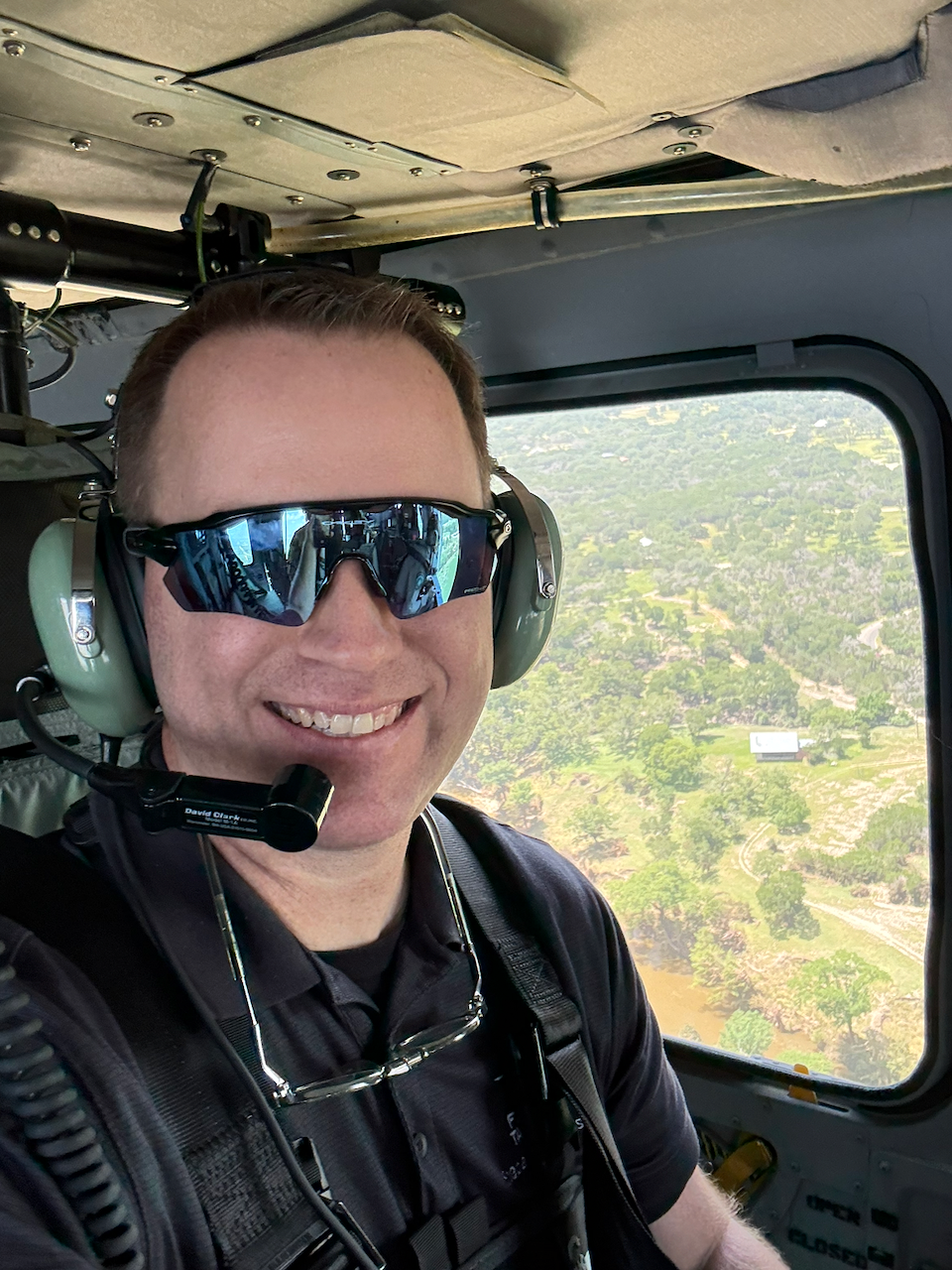
Cory Foy, President of Flight Tactics and Managing Director of TAK Public Safety.
They made it out. But the question that followed them down the mountain did not go away: why are people doing this kind of work with these kinds of tools?
Flight Tactics develops TAK-based situational awareness technology for public safety agencies, emergency managers, and large-scale event operations. Sentry provides hosted TAK server infrastructure, standalone LTE trackers, iOS applications, and AI-powered computer vision — built for the conditions responders actually work in.
The technology centers on one problem: when multiple agencies need to operate together, they rarely see the same picture. A commander can see where the patrol car is parked. Not where the officer actually is. Mutual aid arrives and does not appear on anyone's local system. Nine agencies respond to a single incident and produce nine different operating pictures.
Flight Tactics closes that gap.
Most technology vendors ask agencies to replace what they have. We don't. TAK functions as an integration platform, connecting existing systems into one common operating picture without requiring anyone to start over. Vehicle tracking, dispatch systems, drone feeds, camera networks, partner agency data. It all comes into one map that everyone can see.
We call it the AND Kit. It works with your tools, not instead of them.
New York, NY
Real-time visibility across 26.2 miles for medical teams, security, and sweeper operations — with camera feeds, UAS detection, and geo-referenced 911 calls on one map.
New Orleans, LA
Sentry tracked key floats and personnel with 24–36 hour battery life. Ground teams and command shared the same picture, with emergency alerting from float operators.
Texas
A tactical common operating picture in three days. Teams on Esri, SARTopo, and other platforms fed one integrated map without switching tools.
Multiple locations
Trackers deployed at multiple stadiums for situational awareness of vehicles and personnel.
Washington, D.C.
TAK coordinates federal, state, and local partners for critical events ensuring everyone operated from the a common picture.
Multiple locations
Trackers, vehicles, personnel and ADSB tracking one one map, enhanced with imagery and overlays.
Cory's background is operational. Before founding Flight Tactics he worked extensively in swift water rescue, wilderness search and rescue, high-angle rescue, and hurricane deployments across the Southeast. That work shaped how Flight Tactics approaches technology: from the ground up, for the people carrying the devices, not just the commanders watching the screen.
He serves as a subject matter expert for multiple federal agencies and has briefed state, local and federal officials on situational awareness operations including hurricane and flood response. He speaks regularly at public safety conferences on multi-agency coordination, TAK deployment, and large-scale event management.
Why 2026 matters
The FIFA World Cup spans 11 U.S. cities. July 4th marks America's 250th anniversary. For agencies that have not built a common operating picture yet, the window to do it is short.
Flight Tactics helps agencies assess where they are, build the foundation they need, and deploy at scale before the pressure arrives.
Tell us about your event, incident, or TAK rollout. We’ll help you assess where you are and what to deploy next.